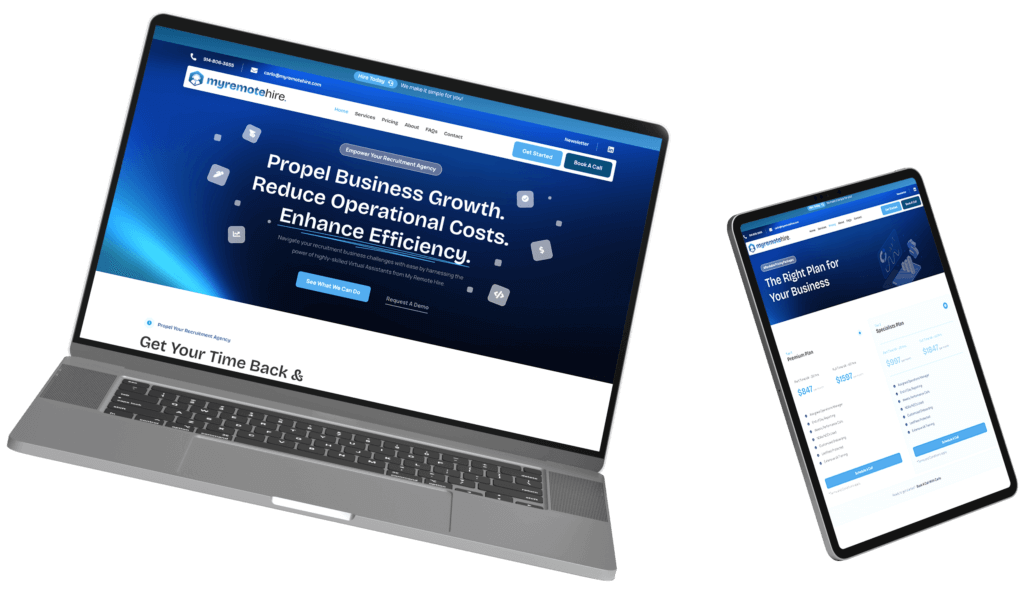
A startup’s website is simultaneously its most important sales tool, its most visible brand expression, and the most permanent artifact of its positioning decisions. A website that was built quickly to have something online limits a business’s growth differently than a website that was built to express a specific positioning, serve a specific audience’s decision-making journey, and perform at the technical standard required to compete for organic visibility. Conte Studios builds the websites that grow businesses by doing all three simultaneously, because a business whose brand, conversion architecture, and technical performance are not integrated is leaving commercial potential on every page.
What “Brand Potential” Actually Means in Web Development
Brand potential in web development is the gap between what a business’s current website communicates about its positioning and what its actual capabilities, reputation, and market differentiation would justify communicating. Most businesses operate with a website that underrepresents their brand potential: it was built to a brief that was less specific than the business now is, or to a production quality that was proportionate to the early stage rather than the current stage, or on a technical infrastructure that is no longer appropriate for the traffic volume and conversion requirements the business has reached.
Closing this gap is not always a complete redesign. Sometimes it is a systematic upgrade of the brand identity implementation, bringing the visual execution up to the standard the brand’s current positioning requires. Sometimes it is a conversion architecture overhaul, rebuilding the page structures and content hierarchies around the buyer journey of the audience the business is now serving rather than the audience it served at launch. And sometimes it is a complete rebuild that addresses all of these gaps simultaneously from a stronger strategic brief than the original site was built on.
Conte Studios works with businesses at every stage of web development investment, from first website builds for early-stage startups to comprehensive rebuilds for growing businesses ready to match their digital presence to their current market position. The scope of web development services is in the web and ecommerce section.
The Integration Advantage: When Brand, Web, and Content Work Together
The businesses that get the most commercial return from their web development investment are consistently the ones where the website was not designed in isolation from the brand identity and content strategy it needs to express and support. A website designed without the brand identity finalized produces a visual approximation that requires revision when the identity is completed. A website designed without the content strategy defined produces page structures that may not accommodate the content types required once the content program is operational.
Conte Studios’ integrated service model, where branding, web development, and content production are managed under a single strategic brief and a single creative direction, eliminates the coherence gaps that the fragmented specialist vendor model introduces. The brand identity that is designed for the web contexts it will primarily occupy performs better in those contexts. The website that is built around the content types the brand will produce and the conversion journey the target audience will follow performs better for both audiences and algorithms.
The integration of branding, web development, and content production under a single strategic brief is the commercial advantage Conte Studios provides. The full scope of integrated services is in the services section.
eCommerce Web Development: Building Digital Revenue Infrastructure
For businesses selling products or services with a direct digital purchase path, the eCommerce architecture of the website is as strategically significant as the brand identity that surrounds it. The checkout flow, the product presentation architecture, the trust signal placement within the purchase journey, and the technical performance under transaction volume are all eCommerce-specific web development requirements that differ from the requirements of a lead generation or brand awareness website.
Conte Studios’ eCommerce development work applies the same conversion-first brief framework to the purchase journey that it applies to lead generation conversion architectures: what does the customer need to see, feel, and do at each stage of the purchase decision, and what technical and design elements of the eCommerce experience support those requirements. The result is eCommerce presences that earn the trust required for online purchase decisions and reduce the friction that produces abandoned carts and lost revenue.
eCommerce development services, including Shopify, WooCommerce, and custom eCommerce architecture for businesses with specific requirements, are part of the Conte Studios web development offering at web and ecommerce section.
Ongoing Web Development: The VIP Program Advantage
A website built at launch and not developed further is a website that falls further behind the business’s current state, the competitive landscape’s current standards, and the audience’s current expectations with every month that passes. The businesses that maintain the strongest digital presences over time are the ones with ongoing web development partnerships that update, expand, and improve their websites continuously rather than in infrequent large rebuilds.
Conte Studios’ VIP program provides this ongoing web development alongside brand identity maintenance and content production under a single structured creative partnership. New pages are added as the business grows into new markets and services. Conversion elements are refined as audience behavior data reveals optimization opportunities. Technical performance is maintained as platform updates and competitive standards evolve. The website grows with the business rather than falling behind it.
The VIP program structure and what it includes for web development is described at the VIP program section. Contact the studio at the contact section to discuss whether the ongoing partnership model fits your brand’s current and projected web development needs.
Frequently Asked Questions
1. What does ‘brand potential’ mean in the context of web development?
Brand potential in web development is the gap between what a business’s current website communicates about its positioning and what its actual capabilities, reputation, and differentiation would justify. Most businesses operate with websites that underrepresent their brand potential because the site was built to a brief less specific than the business now is, at a production quality proportionate to an earlier stage, or on technical infrastructure no longer appropriate for current traffic and conversion requirements. Closing this gap may mean a brand implementation upgrade, a conversion architecture overhaul, or a complete rebuild from a stronger brief.
2. Why does the integrated brand, web, and content approach produce better commercial outcomes?
A website designed without the brand identity finalized produces a visual approximation requiring revision when the identity is completed. A website designed without the content strategy defined produces page structures that may not accommodate required content types once the content program is operational. Integrated development under a single strategic brief eliminates these coherence gaps, producing a website that performs better for both audiences and algorithms because every design, content, and technical decision was made in reference to the same commercial objective.
3. What makes eCommerce web development different from lead generation web development?
eCommerce architecture requires specific attention to checkout flow design, product presentation architecture, trust signal placement within the purchase journey, and technical performance under transaction volume, all of which differ from lead generation conversion architecture requirements. The conversion-first brief framework applies to both: what does the customer need to see, feel, and do at each stage of the purchase decision, and what technical and design elements support those requirements. The answer differs between eCommerce and lead generation contexts in important ways that require separate design treatment.
4. Why does a website need ongoing development rather than periodic large rebuilds?
A website not developed continuously falls behind the business’s current state, the competitive landscape’s standards, and the audience’s expectations with every month that passes. New pages need to be added as the business grows into new services and markets. Conversion elements need refinement as audience behavior data reveals optimization opportunities. Technical performance needs maintenance as platform updates and competitive standards evolve. Ongoing development compounds the website’s commercial value rather than cycling between building and falling behind.
5. What should a business bring to a web development conversation with Conte Studios?
Clarity on the commercial objective the website needs to serve: who the target audience is, what action the website needs to produce, what the competitive context looks like, and what the brand’s current state is. Specifically: who is the website trying to convert and what specific action are they being asked to take, what does the current website fail to do differently, what reference examples approximate the standard being built toward, and what timeline is driving the project. The studio’s discovery process develops the rest, but these answers accelerate the brief development phase.
Starting the Conversation: What to Bring to a Web Development Brief
The businesses that get the most value from a web development engagement with Conte Studios are those that arrive with clarity on the commercial objective the website needs to serve: who the target audience is, what action the website needs to produce, what the competitive context looks like, and what the brand’s current state is in terms of existing identity, existing content, and existing technical infrastructure. This clarity is not a prerequisite for the engagement: the studio’s discovery process develops this clarity where it is absent. But clients who have thought through these questions in advance move through the brief development phase faster and arrive at production with a stronger brief.
The questions worth considering before a web development conversation are: who specifically is the website trying to convert, and what specific action are they being asked to take? What does the current website fail to do that the new website needs to do differently? What are the two or three competitors or reference examples whose digital presence most closely approximates the standard we are building toward? What is the timeline driving the project, and are there business milestones the website needs to support?
Bring those answers, or the beginning of thinking about them, to the conversation at the contact section. The studio’s discovery process will develop the rest. Explore the portfolio to see the standard of work you are discussing.
Key Takeaways
- Brand potential in web development is the gap between what a business’s current website communicates and what its actual capabilities and differentiation would justify. Most businesses operate with websites that underrepresent their brand potential.
- Integrated brand identity, web development, and content production under a single strategic brief eliminates the coherence gaps that the fragmented specialist vendor model introduces, producing websites that perform better for both audiences and algorithms.
- eCommerce development requires specific attention to checkout flow, product presentation architecture, trust signal placement within the purchase journey, and transaction volume performance, distinct from the requirements of lead generation conversion architecture.
- The VIP program provides ongoing web development alongside brand identity maintenance and content production, allowing websites to grow with businesses rather than falling behind current state, competitive standards, and audience expectations.
- Websites built at launch and not developed further fall behind the business’s current state with every passing month. Ongoing development compounds the website’s commercial value while periodic large rebuilds reset and restart the compounding.
- The most productive web development conversations begin with clarity on who the website is trying to convert, what specific action they are being asked to take, what the current website fails to do, and what reference examples approximate the target standard.
- Custom web development built from a specific commercial brief produces measurably different conversion rate, engagement duration, and qualified lead quality outcomes than template websites built to satisfy the generic requirements of the broadest possible range of businesses.