Taking a digital product from idea to launch requires more than great technology. It demands strategic clarity, user-centered design, brand alignment, and disciplined execution across every phase of development. Conte Studios guides startups and growing businesses through each stage of this journey, from early ideation to market-ready launch, ensuring the final product reflects both user needs and long-term brand strategy.
Why Most Digital Products Fail Before They Launch
The gap between a compelling idea and a successful digital product is where most ventures stall. Common failure patterns include building without validating user demand, launching before the product delivers a clear value proposition, or neglecting brand identity until after development is complete. These are not random misfortunes. They are predictable outcomes of skipping the strategic groundwork that makes the idea to launch a journey sustainable.
According to CB Insights’ research on startup failure, 35% of startups cite a lack of market need as their primary failure reason, making early validation one of the most important investments a product team can make. Working with an experienced brand and marketing agency from the beginning of the product development process significantly reduces this risk by aligning strategy, design, and positioning before a single line of code is written.
Stage 1: Ideation and Problem Validation
Every successful digital product starts with a clearly defined problem worth solving. Ideation is not just brainstorming features. It is the disciplined process of identifying a specific audience, mapping their pain points, and defining the unique value your product will deliver that existing solutions do not. The best product ideas come from deep audience understanding rather than technology fascination.
At this stage, defining your brand positioning is just as important as defining your product concept. Your positioning determines who you are building for, how you differentiate from competitors, and what emotional territory your brand will occupy in the market. Conte Studios’ branding services include strategic positioning work that sets this foundation before design or development begins, ensuring every subsequent decision is anchored to a clear brand direction.
Stage 2: Market Research and Competitive Analysis
Validated product ideas are built on evidence, not assumptions. Market research at this stage should include primary user interviews, competitive landscape analysis, and an honest assessment of where your product concept fits within existing market solutions. Understanding what competitors do well and where they fall short gives your team a clear brief for differentiation.
The Nielsen Norman Group‘s research on product development consistently shows that teams who invest in structured discovery research before committing to a product direction ship more successful products with fewer costly pivots. This research phase also informs your go-to-market content strategy, identifying the search queries, audience concerns, and competitive gaps that your content plan should address from day one.
Stage 3: Prototype Development and Design
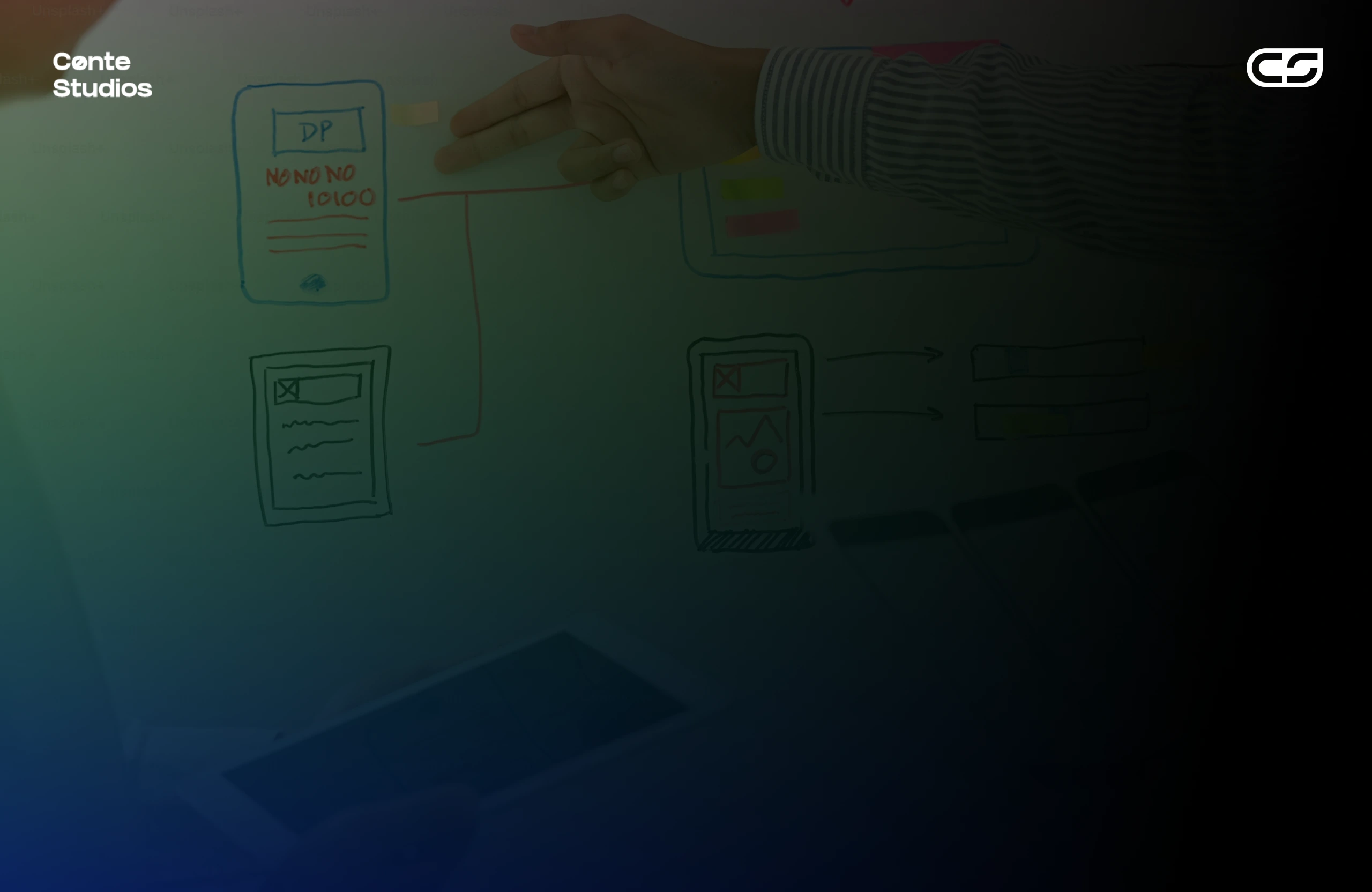
Prototyping translates your validated concept into a testable experience before full development investment is made. A well-structured prototype communicates the core user flow, key interface decisions, and brand expression with enough fidelity to gather meaningful feedback. The goal is not visual perfection at this stage. It is learning quickly and cheaply.
Design decisions made during prototyping set the brand tone for the entire product. Typography, color systems, layout principles, and interaction patterns all carry brand communication weight. Our web design team approaches prototype design with both user experience and brand alignment in mind, building interfaces that feel cohesive and purposeful from the first iteration.
Stage 4: User Testing and Iteration
User testing is where assumptions meet reality. Testing your prototype with real members of your target audience surfaces the usability gaps, messaging confusions, and feature priorities that internal teams inevitably miss. The most valuable insights from user testing are often not what teams expected to learn, which is precisely why testing with actual users rather than internal stakeholders is non-negotiable.
According to the Interaction Design Foundation, testing with as few as five users in a structured session uncovers the majority of critical usability issues in a prototype. Iteration cycles between testing and refinement should continue until the core user journey is clear, low-friction, and aligned with the product’s intended value proposition. This iterative approach dramatically reduces the risk of a costly post-launch redesign.
Stage 5: Development and Technical Execution
With a validated, tested design in place, development can proceed with confidence. Technical decisions made during this phase, including platform selection, performance architecture, CMS structure, and integration requirements, have long-term consequences for how the product scales and how effectively it can be marketed. A digital product built on a strong technical foundation is easier to optimize for search, faster to update with new content, and more resilient as traffic and usage grow.
Conte Studios builds custom digital products on platforms engineered for performance and scalability, with Core Web Vitals compliance built in from the start. Our hosting solutions provide the infrastructure layer that keeps products fast, secure, and reliably available as they grow.
Stage 6: Pre-Launch Brand and Marketing Preparation
The window between completing development and going live is one of the most underutilized opportunities in the idea to launch a journey. Pre-launch activities that significantly improve launch outcomes include building an SEO content foundation before the first visitor arrives, establishing social proof through beta user testimonials, setting up analytics tracking to capture launch-day data, and preparing the brand assets needed for press, partnerships, and paid channels.
A brand and marketing agency that has been involved from ideation through development is positioned to execute this pre-launch phase without the brief gaps and inconsistency that come from onboarding new vendors at the last stage. Review our customer results to see how integrated pre-launch strategy has helped our clients generate qualified leads from day one.
Stage 7: Launch Execution and Go-to-Market Strategy
A successful product launch is not a single event. It is a coordinated sequence of activities across owned, earned, and paid channels designed to generate qualified awareness and drive early adoption. Launch strategy should include a clear sequencing of announcements, content releases, and outreach activities that build momentum over the first thirty to ninety days post-launch.
The Product Marketing Alliance recommends defining clear launch success metrics before going live, including target users acquired, conversion rates by channel, and engagement benchmarks. Having these benchmarks in place allows teams to identify what is working quickly and reallocate resources toward the highest-performing acquisition channels. Our VIP program supports clients through this post-launch growth phase with ongoing creative and content production that sustains momentum beyond the initial launch window.
Keeping Brand and Product Aligned Throughout Development
One of the most common and costly mistakes in digital product development is treating brand and product as separate workstreams. When the design team and the branding team operate independently, the result is a product that functions adequately but fails to communicate its value compellingly. Every screen, every interaction, and every piece of copy in a digital product is a brand expression. Aligning these elements from ideation through launch produces a product that is not just usable but genuinely persuasive.
Conte Studios integrates brand strategy and product development as a single, coordinated discipline. Explore our work portfolio to see what integrated brand and product execution delivers for clients across industries and growth stages.
The Idea to Launch Journey Is a System, Not a Sprint
Rushing from concept to release without proper validation, design rigor, or brand alignment consistently produces products that underperform their potential. The digital products that succeed at launch and sustain growth afterward are the ones built through a disciplined, phased process that treats each stage as a strategic investment rather than a box to check. The time spent on discovery, testing, and pre-launch preparation is not overhead. It is the difference between a product that earns its market and one that struggles to find it.
Conte Studios has guided businesses through the full idea to launch journeys across web applications, digital platforms, and brand-driven product experiences. If you are ready to build something that performs from day one, book a strategy call with our team or review our service offerings to find the right engagement model for your product’s stage.
Frequently Asked Questions
1. What are the key stages in taking a digital product from idea to launch?
The core stages are ideation and problem validation, market research and competitive analysis, prototype development, user testing and iteration, technical development, pre-launch brand and marketing preparation, and launch execution. Each stage builds on the previous one, and skipping stages typically results in costly corrections later in the process.
2. How long does it take to go from idea to launch for a digital product?
Timelines vary significantly based on product complexity, scope, and the thoroughness of the discovery and testing phases. Simple web-based products with focused feature sets can reach launch in three to six months. More complex platforms with extensive user testing and custom development typically take six to twelve months. Rushing this timeline to meet an arbitrary deadline consistently produces weaker launch outcomes.
3. Why is brand identity important during digital product development?
Brand identity shapes how users perceive and trust a product from their first interaction. Typography, color, tone of voice, and visual hierarchy all communicate brand personality before a user reads a single word of product copy. Products built with brand alignment from the start convert better, generate more referral growth, and require fewer costly redesigns post-launch.
4. What is user testing and why does it matter for digital products?
User testing is the process of observing real members of your target audience interact with a prototype or working product to surface usability issues, messaging gaps, and feature priorities. It matters because internal teams, regardless of their expertise, cannot replicate the perspective of a first-time user encountering the product without prior context. Testing with five to eight representative users reveals the majority of critical issues before they become post-launch problems.
5. How does SEO fit into the digital product launch process?
SEO should be considered from the earliest stages of product development, not added as an afterthought. URL architecture, content strategy, page speed, mobile responsiveness, and metadata structure all have significant organic search implications. Products launched with an SEO foundation in place begin accumulating search visibility from day one rather than spending months in technical remediation.
Ready to Take Your Product from Idea to Launch?
The journey from concept to a market-ready digital product is one of the most complex and consequential challenges a growing business faces. Conte Studios brings strategic clarity, brand expertise, and full-service execution to every stage of that journey. Whether you are at the earliest stages of ideation or approaching your launch window, our team is equipped to help you build a digital product that earns its market. Get in touch to start the conversation, or explore our past work to see the quality and range of what we deliver.
Key Takeaways
- The idea to launch a journey requires validation, design, testing, and brand alignment across every stage, not just technical development.
- 35% of startups fail due to a lack of market need, making early validation the single most important investment in the product development process.
- Brand identity should be established before development begins to ensure every product decision reflects a coherent brand direction.
- User testing with as few as five representative users uncovers the majority of critical usability issues before launch.
- Pre-launch SEO foundation work allows products to begin accumulating organic search visibility from their first day in market.
- A brand and marketing agency integrated from ideation through launch produces more commercially effective products than those built with brand and technology as separate workstreams.
- Go-to-market strategy should be documented before launch day, with clear success metrics and a plan for sustaining post-launch momentum.