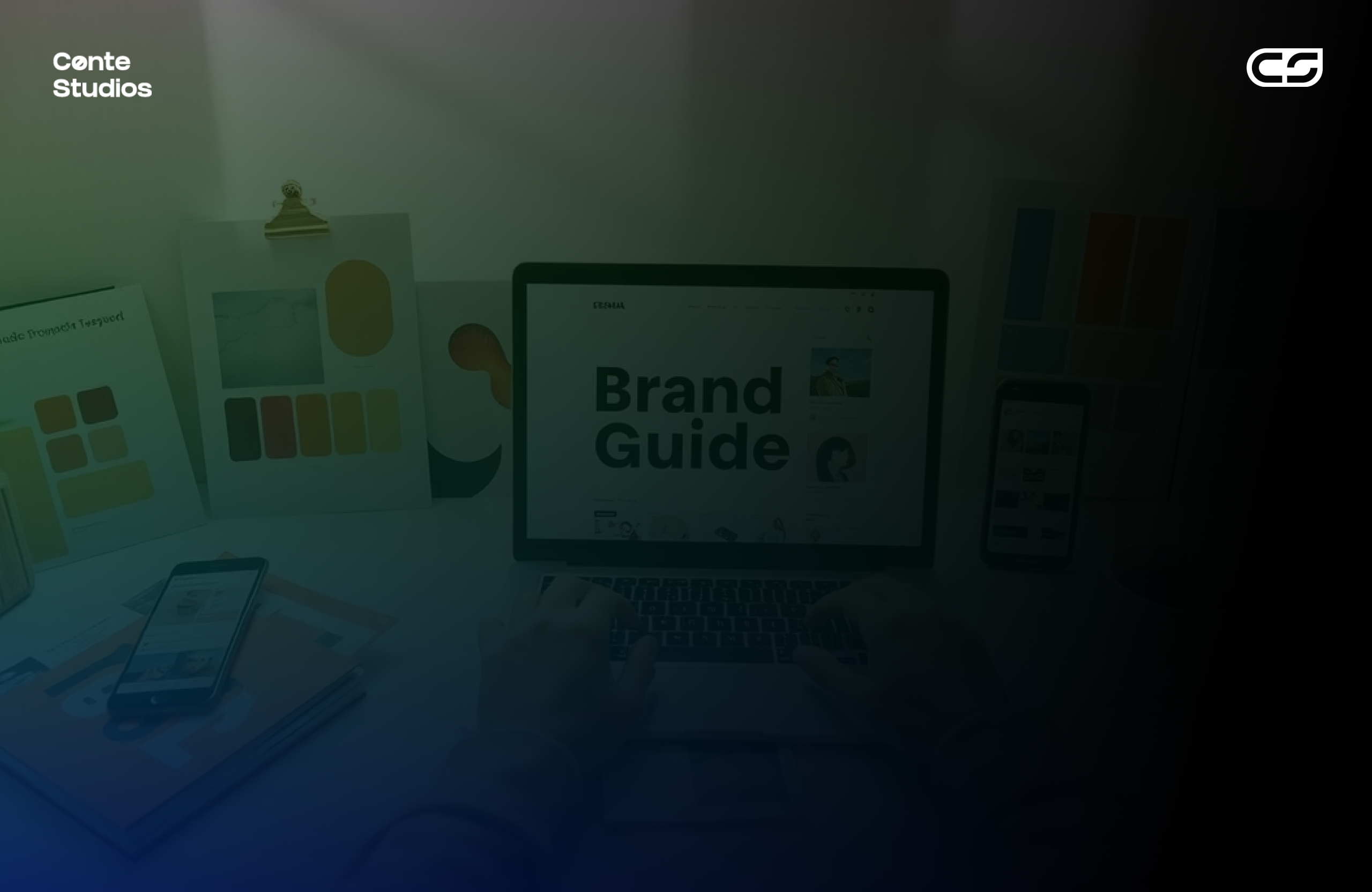
A brand style guide covers visual usage rules: logo, color, and typography. A full brand guidelines document goes further, covering positioning, tone of voice, messaging, and usage standards across every brand touchpoint. Most startups begin with a style guide and graduate to full guidelines as their team and content output grow.
Why Does This Distinction Matter for Growing Businesses?
The confusion between a brand style guide and a full brand guidelines document is common and consequential. Businesses that treat them as interchangeable often discover the gap when they hire their first marketing team member, bring on an agency partner, or begin producing content at scale. Without the right level of documentation, brand consistency breaks down, and inconsistency erodes the trust and recognition that a brand works hard to build.
Understanding what each document contains, what it covers, and when each is appropriate helps founders and marketing teams make better decisions about brand infrastructure at every stage of growth. For businesses building a brand identity from scratch, knowing which document to invest in first is a practical starting point.
What Is a Brand Style Guide?
A brand style guide is a visual reference document that specifies how the brand’s visual elements should be used. It is the most common deliverable produced at the end of a logo design or visual identity project, and it is the baseline document that most designers, developers, and social media managers need to work with a brand correctly.
What a Brand Style Guide Typically Covers
Logo usage rules, including approved versions, minimum size, clear space requirements, and prohibited uses. Color palette specifications in HEX, RGB, CMYK, and Pantone formats. Typography selections, including primary and secondary typefaces, weights, and hierarchy guidance. Basic imagery direction, often described through adjectives or reference examples. Sometimes social media template specifications or basic icon usage.
A well-produced style guide is enough to maintain visual consistency across a small team and a limited set of outputs. It is the right starting point for most early-stage startups and the document most commonly delivered as part of an initial branding engagement.
What Is a Full Brand Guidelines Document?
A full brand guidelines document, sometimes called a brand standards document or a brand bible, encompasses everything in a style guide and extends significantly into the strategic and verbal dimensions of the brand. It is a comprehensive reference tool built for teams and partners who need to make brand decisions independently without introducing inconsistency.
What a Full Brand Guidelines Document Adds
Brand purpose, mission, and positioning statement. Audience definition and persona summaries. Competitive positioning context. Tone of voice principles with examples of on-brand and off-brand language. Messaging framework with approved core statements and supporting proof points. Writing style guidelines covering grammar preferences, formatting conventions, and vocabulary choices. Expanded visual system documentation covering photography style, illustration direction, iconography, layout principles, and motion guidelines where relevant.
For businesses with growing marketing teams, agency partners, or significant content output, a full guidelines document is the infrastructure that keeps every brand expression coherent. Without it, brand decisions default to individual judgment, which produces inconsistency over time.
Which Document Does a Startup Actually Need?
For most early-stage startups with a founding team of fewer than ten people, a brand style guide is the practical starting point. The team is small enough that brand consistency can be maintained through direct communication and shared visual assets without needing a comprehensive written reference.
The trigger for investing in full brand guidelines typically arrives at one of three points. First, when the team grows to include multiple content contributors who are making independent brand decisions. Second, when external partners such as agencies, contractors, or distributors need to produce brand-consistent outputs without direct oversight. Third, when the business is preparing for a significant market expansion or fundraising round where brand coherence across materials will receive external scrutiny.
Conte Studios structures brand deliverables to match the actual stage of each client’s business. A startup in month three does not need a 60-page brand bible. A Series A company preparing to hire a marketing team does. You can explore client outcomes to see how this scales across different business stages.
How Does Brand Documentation Affect Team Performance?
The practical impact of brand documentation on team performance is underestimated by most founders until the moment it becomes a problem. When a new team member joins and has no reference document to consult, they make visual and verbal decisions based on instinct. Some of those decisions align with the brand. Others introduce subtle inconsistencies that accumulate over time and gradually dilute the brand’s clarity and recognition.
A well-produced brand guidelines document reduces onboarding time, reduces revision cycles on marketing materials, and reduces the cognitive load required to make brand-consistent decisions. For marketing teams working across multiple channels and formats, that efficiency compounds significantly.
It also has a less obvious benefit: it forces the founding team to articulate decisions that were previously implicit. The process of documenting tone of voice, messaging hierarchy, and visual usage rules surfaces alignment gaps and resolves them before they create inconsistency in public-facing materials.
Can a Style Guide Be Upgraded to Full Guidelines Later?
Yes, and this is a common and sensible approach. Most businesses begin with a brand style guide produced at the end of their initial identity project. As the business grows and the team expands, the style guide gets supplemented with strategic documentation, verbal identity guidelines, and more comprehensive usage standards.
The upgrade is typically triggered by a specific pain point: a marketing hire who needs more context, an agency partner who is producing off-brand content, or a founder who notices that the brand sounds different depending on who writes the copy. When those triggers appear, a brand guidelines expansion engagement is more efficient than trying to add documentation ad hoc.
Conte Studios offers brand guidelines development as both an initial deliverable and an expansion engagement for businesses that have existing visual identities. If you want to understand what the right level of documentation looks like for your current stage, book a call with our team.
Style Guide, Full Guidelines, or Something In Between
Most businesses do not need the most comprehensive version of brand documentation from day one. They need the right level of documentation for their current scale, with a clear path to expanding it as the business grows. Starting with a robust style guide and building toward full guidelines is a practical and cost-effective approach that matches brand infrastructure investment to actual business needs.
Conte Studios delivers brand documentation at every level of scope, from foundational style guides for early-stage startups to comprehensive brand standards documents for growth-stage companies. With 12+ years of experience across 450+ projects, we know how to calibrate brand infrastructure to the stage of the business.
Explore our branding services for the full scope of what we deliver, or book a call to discuss what makes sense for your business right now.
Frequently Asked Questions
- How long should a brand style guide be?
A brand style guide for an early-stage startup typically runs between 10 and 25 pages. It should be comprehensive enough to cover all primary visual elements clearly, but concise enough that a designer or marketer can actually use it as a working reference. A document that is too long to read is not functioning as a guide. Clarity and usability are more important than completeness at this stage.
- What format should brand guidelines be delivered in?
Brand guidelines are most commonly delivered as a PDF for distribution, with underlying source files provided for future updates. Some businesses prefer an interactive web-based version for easier team access. The format should match how the team actually works. A PDF shared in a Notion workspace is often more practical than a beautifully designed printed document that no one can update without the original design files.
- Who should have access to the brand guidelines document?
Anyone who produces content, materials, or communications on behalf of the brand. That includes internal marketing team members, designers, copywriters, social media managers, sales staff producing collateral, and external agency or contractor partners. The document should be treated as a reference tool, not a confidential asset, so that brand consistency can be maintained across every contributor.
- What happens when a brand evolves and the guidelines are outdated?
Brand guidelines should be treated as living documents with a defined review cadence. For most growing businesses, an annual review is appropriate. When a brand evolution occurs, such as a logo refresh, a positioning update, or an expansion into new markets, the guidelines should be updated before new materials are produced. A branding engagement with Conte Studios includes a structured handoff that makes future updates straightforward.
- Does Conte Studios deliver brand guidelines as part of every branding project?
Yes. Every Conte Studios branding engagement includes brand documentation calibrated to the scope of the project. For foundational identity projects, this typically means a comprehensive brand style guide. For full-service brand strategy and identity engagements, it includes a more complete guidelines document covering visual, verbal, and strategic dimensions. You can explore our pricing to understand the scope at each level.
The Right Brand Documentation for the Right Stage
Brand documentation is infrastructure. Like all infrastructure, it should be built to match current capacity with a clear path for expansion. A style guide serves most startups well in the early stage. Full guidelines become necessary as the team grows and brand decisions get distributed across more contributors.
Conte Studios delivers brand documentation across branding, web design, and content that is calibrated to where you are now and built to scale with you. Book a call to start the conversation.
Key Takeaways
- A brand style guide covers visual usage: logo, color, typography, and basic imagery direction.
- A full brand guidelines document adds positioning, tone of voice, messaging framework, and comprehensive usage standards.
- Most early-stage startups should begin with a style guide and expand to full guidelines as the team and content output grow.
- The trigger for full guidelines is typically a growing team, external agency partners, or a significant market expansion.
- Brand documentation reduces onboarding time, revision cycles, and the inconsistency that accumulates when brand decisions are made without a reference.
- Brand guidelines are living documents that should be reviewed and updated as the brand evolves.